
SENSORY GARDENS FOR FLORIDA LANDSCAPES

What THEY ARE and how to create them
When we think of gardens we often think of a visual experience, drifts of colors and waves of movement. A sensory garden invites you to experience all five senses; sight, sound, smell, taste and touch. Sensory gardens are beneficial, they induce mindfulness and allow an opportunity for everyone, including those with a disability, to build richer, more memorable experiences by engaging through all their senses.
Sensory gardens can be created in spaces of any size, including containers. Some are devoted specifically to one sense, while others focus on several senses. They are often used for teaching, socializing, and therapy. These gardens can be designed for specific users, such as children or the blind, but provide benefits that all can enjoy. Raised beds and wide pathways can enhance the accessibility of your sensory garden, so be mindful of these elements when beginning your planning.
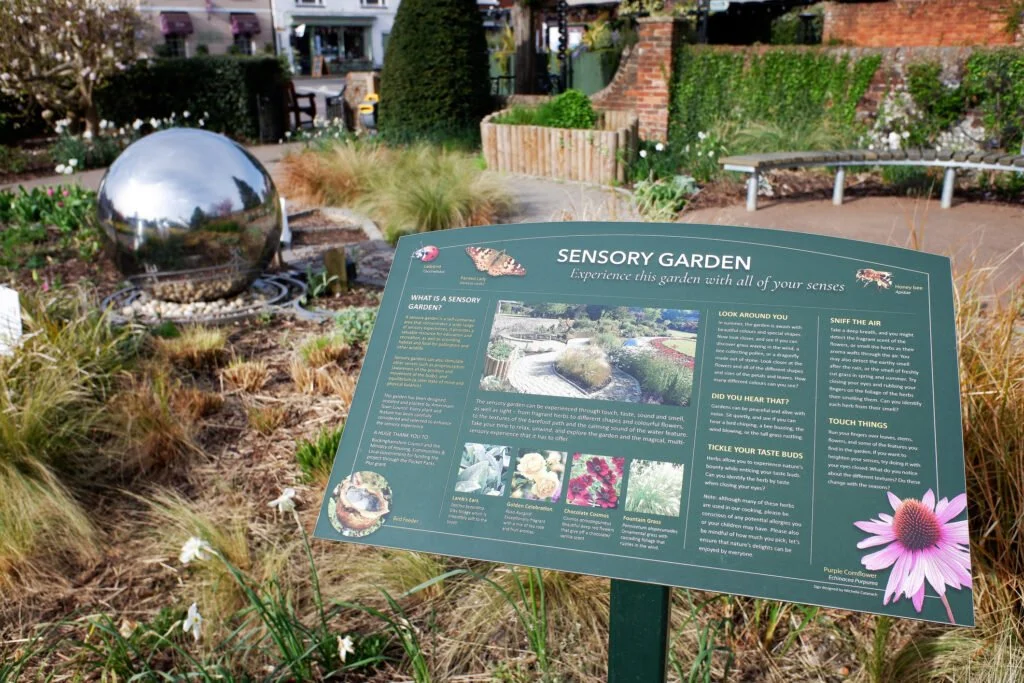
Photo Source: Getty Images
The Sensory Trust in the UK has a helpful design guide on their website of things you should keep in mind when planning your garden. Incorporate a rich variety of sensory experiences—color, texture, sound, scent, and taste—and create inviting pathways and resting spots that encourage exploration and connection with nature. When choosing plants make sure they will do well in your growing conditions, whether sun or shade, poor or good drainage, and type of soil. Select plants that are hardy, durable, and of various heights, colors, textures, and scents. The sensory garden must be a safe place; plants should be non-toxic, non-allergenic, and with no pesticide application. Thorny plants like roses should be placed out of reach at the back of the beds.
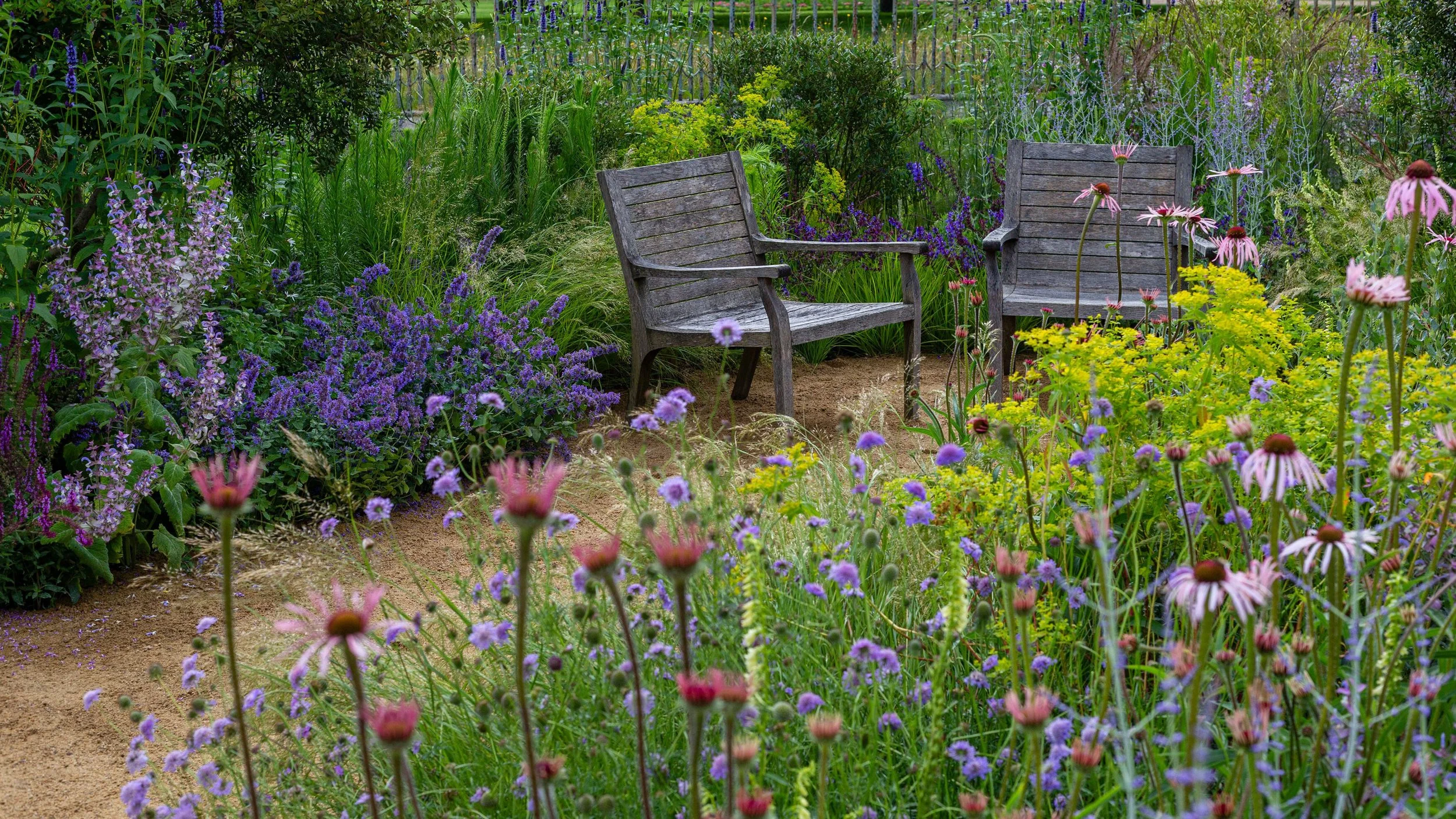
Photo Source: RHS/Neil-Hepworth / Homes & Gardens
Sight
The most recognizable sense, and the one that often takes the lead in gardens, is sight. When designing a garden with sight in mind, think of contrasting colors, textures and shapes. Make sure you consider what your plants will look like in all four seasons. Grasses, like Purple Love Grass (Eragrostis spectabilis), add a whimsical texture, soft movement, and look lovely year round. Partner that with the erect shape and rich color of Purple Coneflower (Echinacea purpurea) and you have a stunning pair of Florida native beauties.
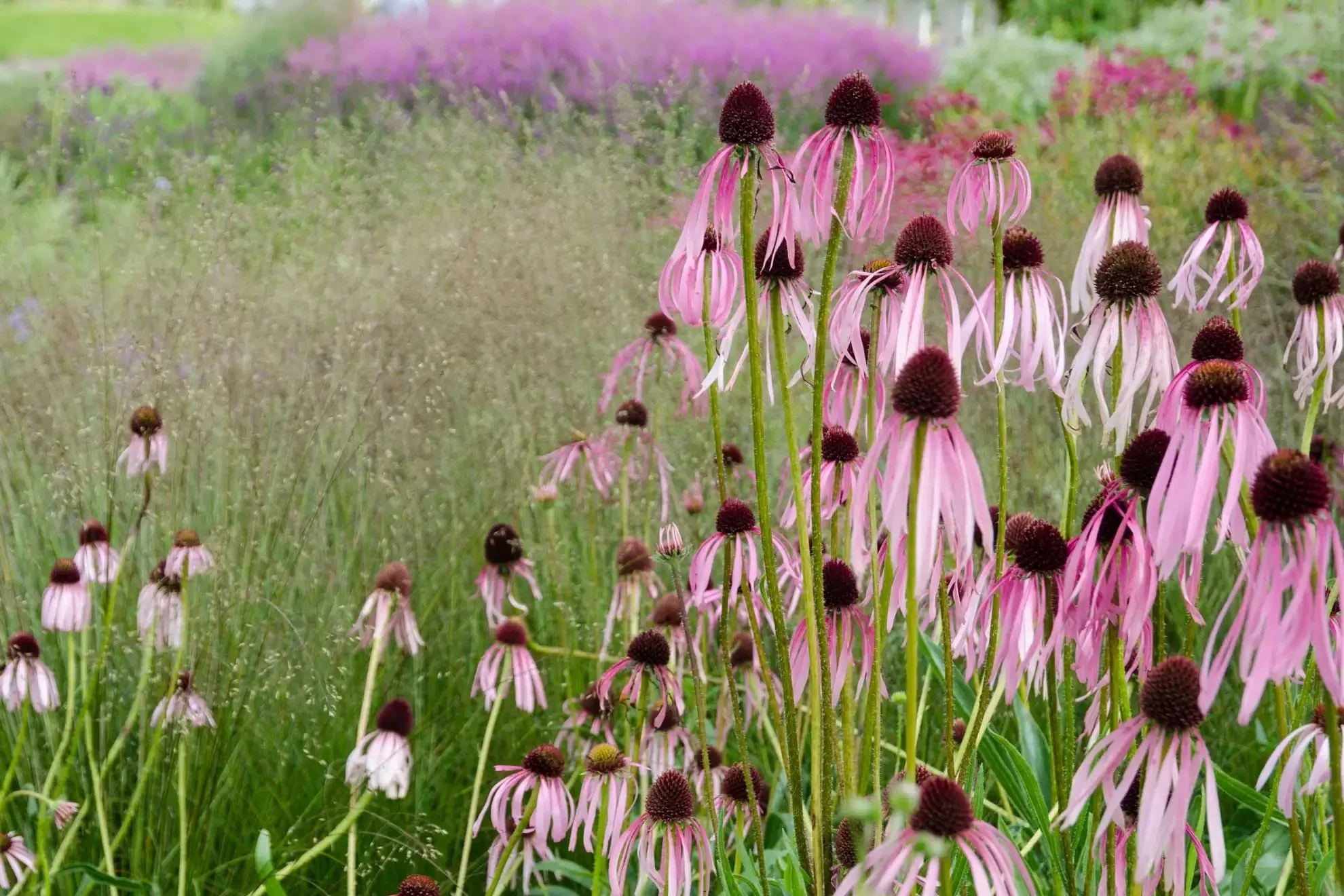
Photo Source: Theplantnative.com
To avoid chaos planting and add continuity to your garden, utilize repeating themes. Take the previous pairing as an example; both Purple Coneflower and Purple Lovegrass share the same color and are similar in height, this adds continuity. However, their shapes and textures are different. Together this creates unity through contrast and prevents clutter.
Smell
Who doesn’t want to be greeted by the sweet aroma of blossoming flowers? While many plants are beautiful in bloom they may not offer that enchanting smell we often expect. Some plants don’t even need to be in bloom to give off a scent!
Adding fragrance to a garden can help calm the mind and make for a pleasant experience. I’d recommend planting these plants close to pathways or outdoor seating for optimal use. Some native plants that offer strong scents are White Mountain Mint (Pycnanthemum albescens), Purple Coneflower (Echinacea purpurea) and Sweet Pepperbush (Clethra alnifolia).
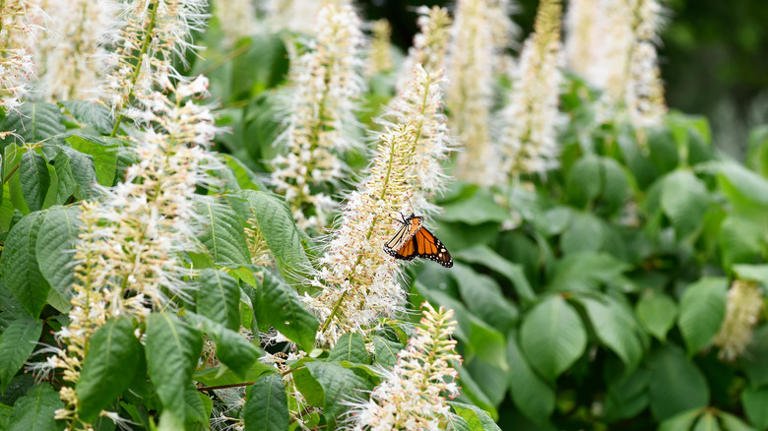
Clethra alnifolia, Photo Source: Gardenia.net
Those that don’t need to be in bloom to give off scents? Vanilla Leaf (Carpephorus odoratissimus), Eastern Red Cedar (Juniperus virginiana) and Spicebush (Lindera benzoin) are great examples of plants that will thrive here in our Florida climate.
Sound
The soothing serenade of a song bird, trickling water from a fountain and gentle clanging of chimes are all sounds that are common in gardens. Planting native species that provide food and shelter for wildlife will surely bring more life into your garden, but did you know you can plant sound-focused plants as well?
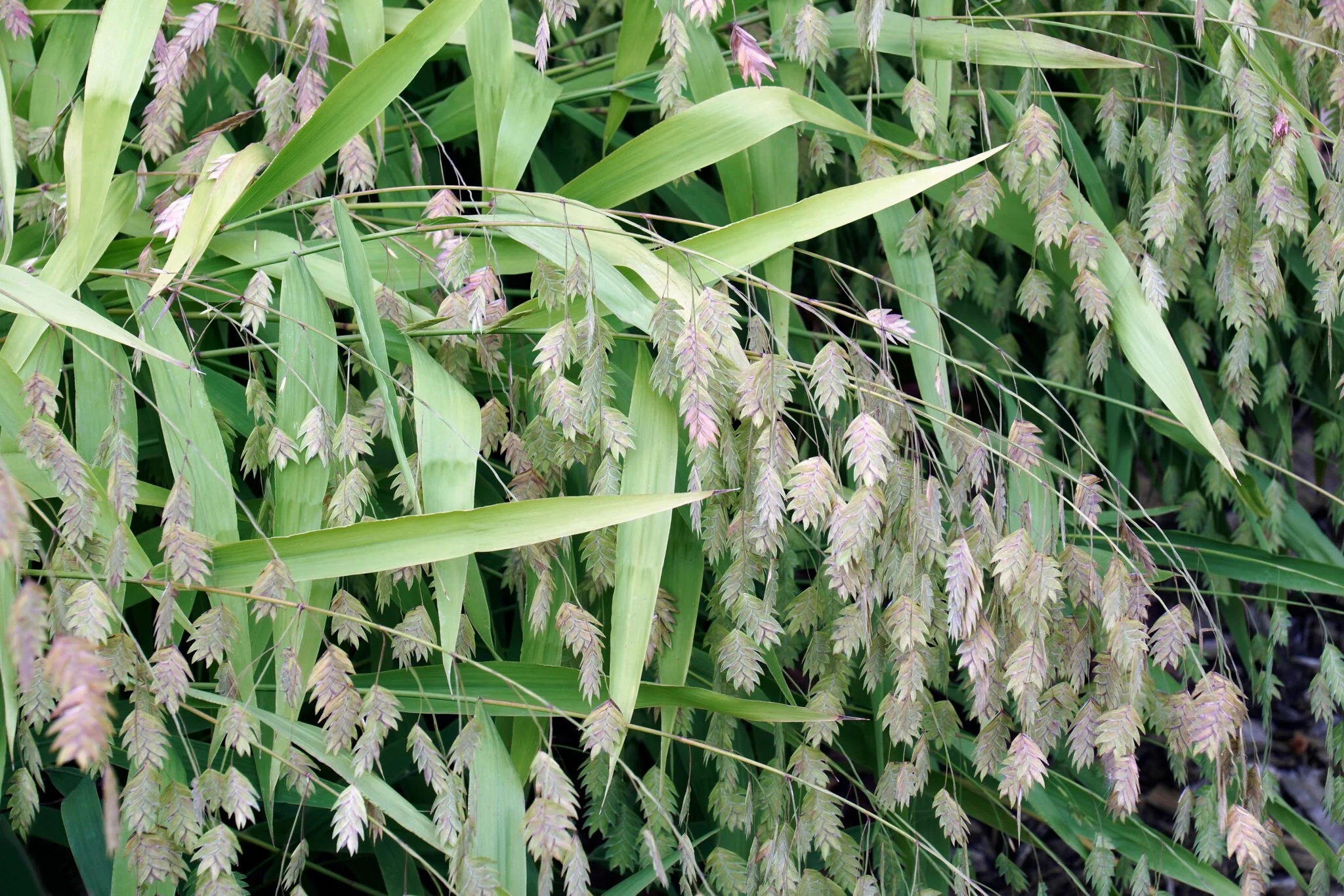
Chasmanthium latifolium, Photo Source: Greenhousetogarden.ca
River Oats (Chasmanthium latifolium) swaying in the wind produces a gentle swish. Trees with varying leaf textures such as Hollys and Oaks create unique sounds in response to the wind. When leaves fall, it adds a level of texture and crunch as you walk through your garden. Seed pods from Blue Sage (Salvia azurea) and Coral Bean (Erythrina herbacea) rattle together when brushed up against. Varied textures, alignment and spacing of plants can enhance acoustics, which in turn promotes relaxation and tranquility. Here is a link to an interesting article about crafting an auditory experience in your sensory garden.
Taste
What is a garden without taste? We often plant natives with the idea of providing for wildlife, but did you know your garden can also provide for you? Planting edible gardens in Florida offers huge benefits: fresh, nutritious, year-round food for better health, lower grocery bills, less lawn to mow, and water savings. Environmentally, they boost biodiversity, attract pollinators, improve soil health, and support the Florida-Friendly Landscaping principles for a sustainable yard. They also provide mental health boosts, exercise, and community connection.
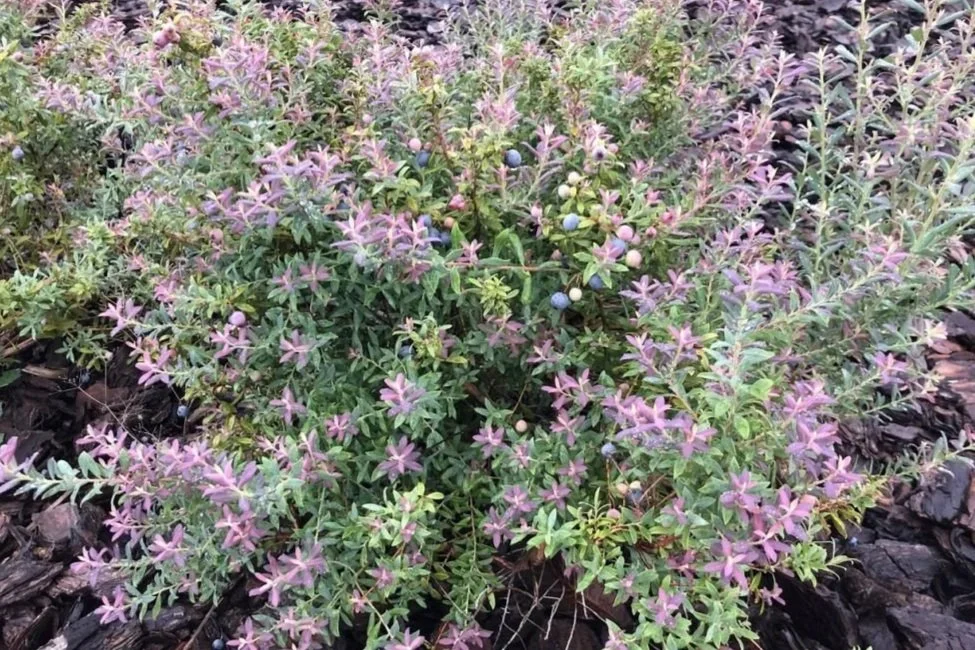
Vaccinium darrowii, Photo Source: A. Merak, UF/IFAS
Florida is abundant with edible and medicinal plants. We have many fruiting trees and shrubs like Darrows Blueberry (Vaccinium darrowii), the Chickasaw plum (Prunus angustifolia), the Paw Paw (Asimina triloba) and the Persimmon (Diospyros virginiana). Some medicinal plants include Blue Porterweed (Stachytarpheta jamaicensis) and Common Yarrow (Achillea millefolium).
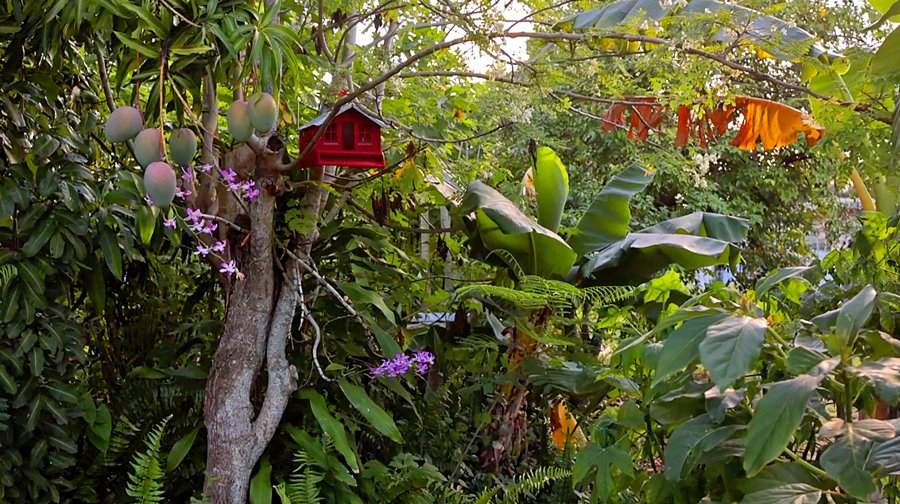
Great South Florida Food Forest by David the Good
You don’t have to have a “traditional” garden in order to grow your own food, create a food forest! Plant your edibles along meandering paths, this encourages curiosity and exploration. Interested in learning more about food forests? Permaculture design is an excellent place to start, there are a lot of amazing resources that will point you in the right direction, like experts Bill Mollison and Andrew Millison.
Touch
Have you ever walked barefoot through a garden? Touched the buttery soft petals of a flower? Having a variety of textures encourages tactile engagement in a garden. Think of plants like Cottony goldenaster (Chrysopsis gossypina) for its fuzzy leaves, Muhly grass (Muhlenbergia capillaris) for it pillowy plumes or Sunshine mimosa (Mimosa strigillosa), where a gentle touch causes the leaves to close. Don’t forget that a single plant can offer multiple senses in various seasons.
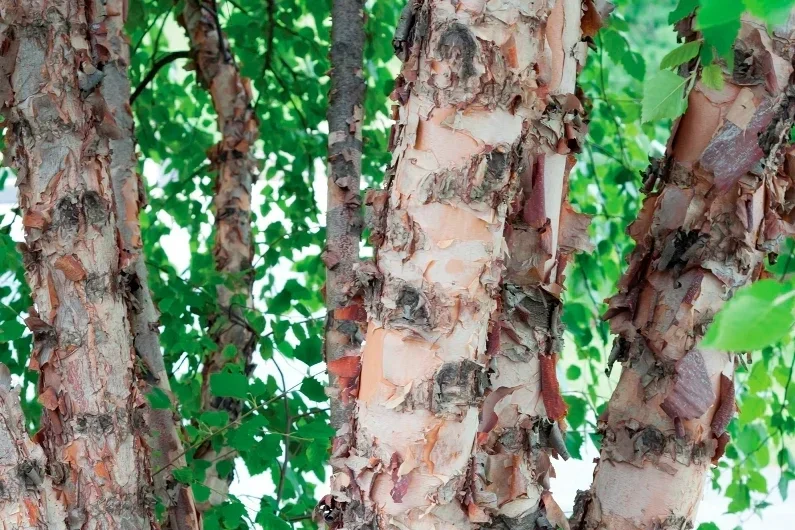
Betula nigra, Photo Source: Bunchberrynurseries.ca
Consider trees like River Birch (Betula nigra) or the American Sycamore (Platanus occidentalis). Both of these species have unique bark patterns and are deciduous, meaning they drop their leaves in the fall. This combination adds texture, creates a warm scent and invites you to pause and enjoy the changing of the seasons. For touch gardens that will receive lots of visitors, choose sturdy plants that can stand up to frequent handling.
CREATIVE ELEMENTS
In addition to plants, other elements can be added to a sensory garden to enhance the visitor experience. Take a peek at the garden created by Wacca PIlatka and featured on the television show Flip My Florida Yard to see an amazing transformation that includes accessibility improvements and a sensory garden for their children.
Consider the medium used for pathways. Flagstone, stepping stones, sand and brick are all great options for color and texture. Water features such as fountains offer therapeutic properties while providing a water source to wildlife. Sculptural elements like boulders add dimension and structure.
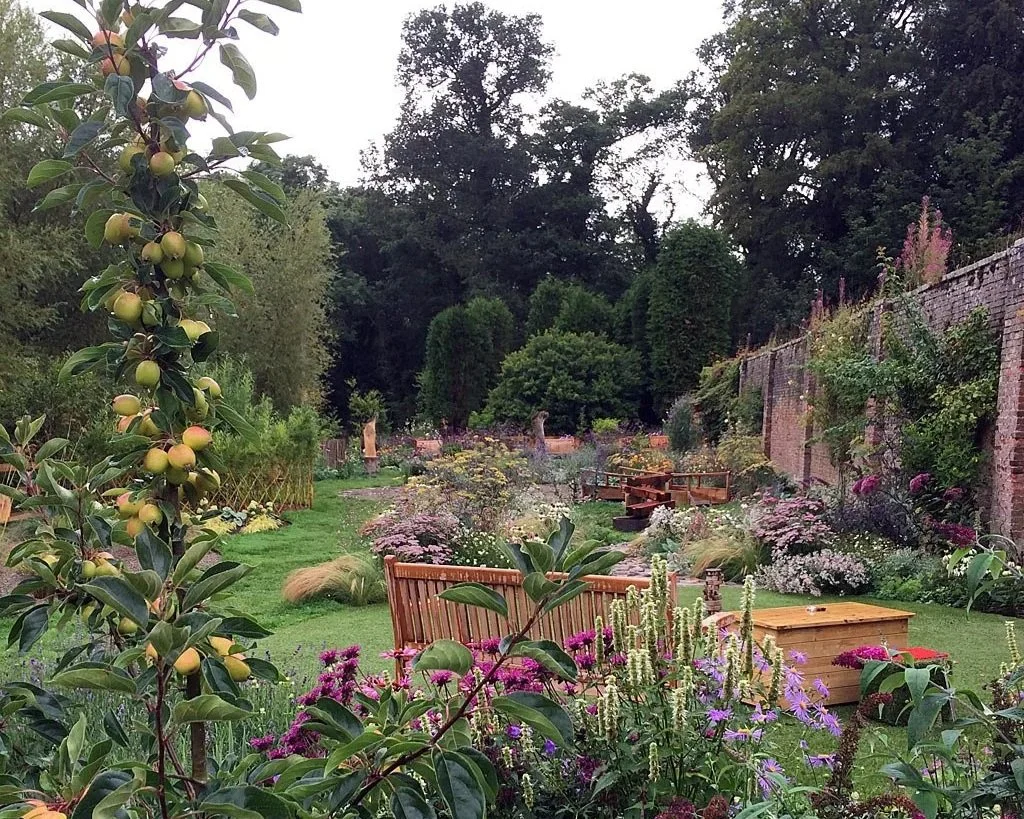
Photo Source: Howlick Halls Sensory Garden
Don’t have a lot of space in your landscape? Start small by planting herb gardens in containers, create windchimes from natural materials and plop in some colorful, fragrance filled flowers wherever you can find a spot. You will be amazed to see the difference these additions will make to your overall garden experience.
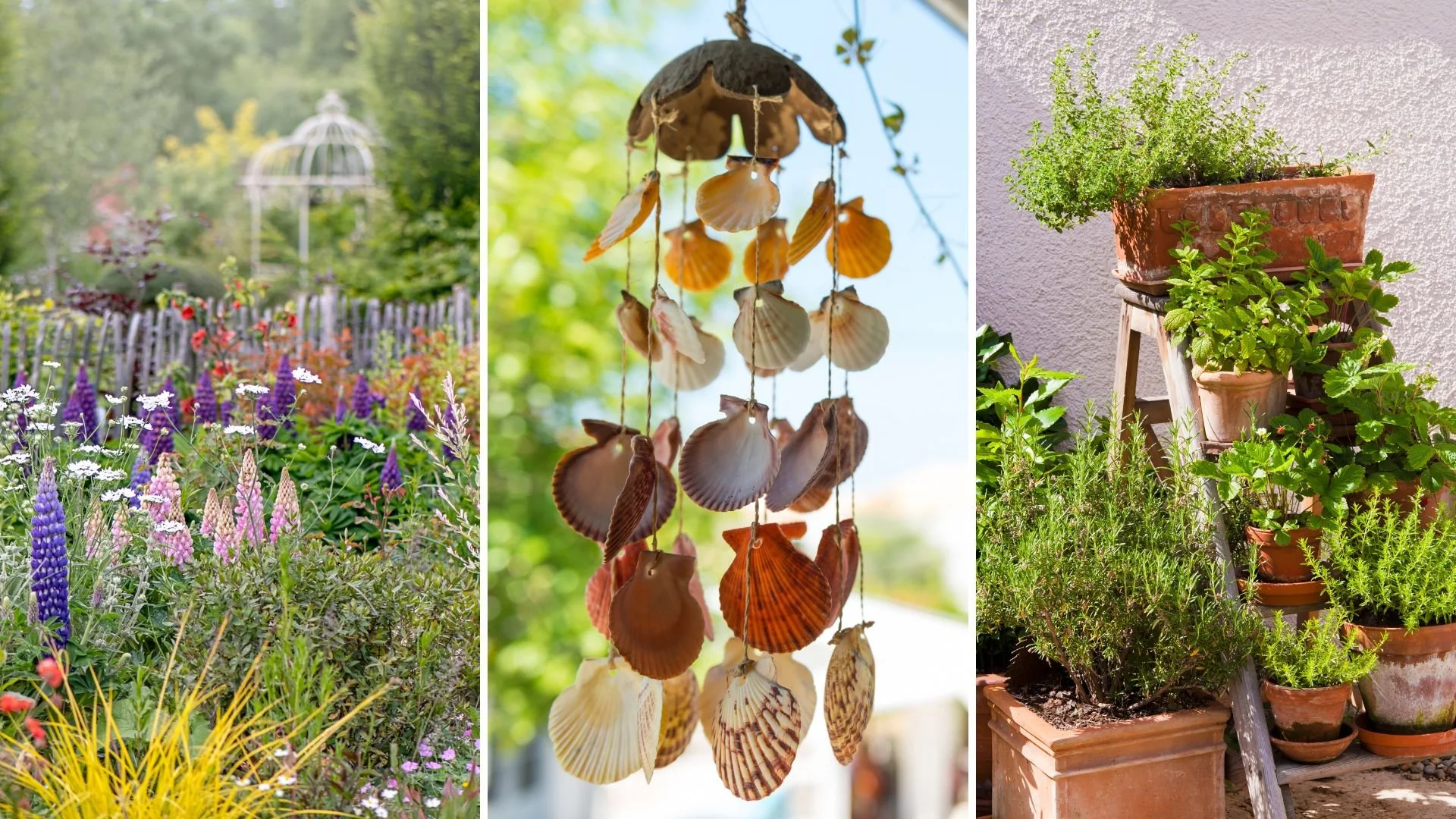
Photo Source: Women & Home
SOME WORDS OF ENCOURAGEMENT
Remember there are no set rules to a garden, express yourself and create a space that feels natural and inviting to you. If this glimpse into sensory gardening has inspired you to create a space that delights the eyes, calms the mind, and reconnects you with nature, we’d love to help bring it to life. Whether you’re starting fresh or enhancing what you already have, our team at Wacca Pilatka can design and plant a garden tailored to your needs, style, and space.
Reach out anytime—let’s grow something beautiful together.
