WAKING UP YOUR LANDSCAPE FOR SPRING: WILDLIFE EDITION
Waking Up Your Landscape for Spring: A Wildlife-Friendly Approach for Northeast Florida
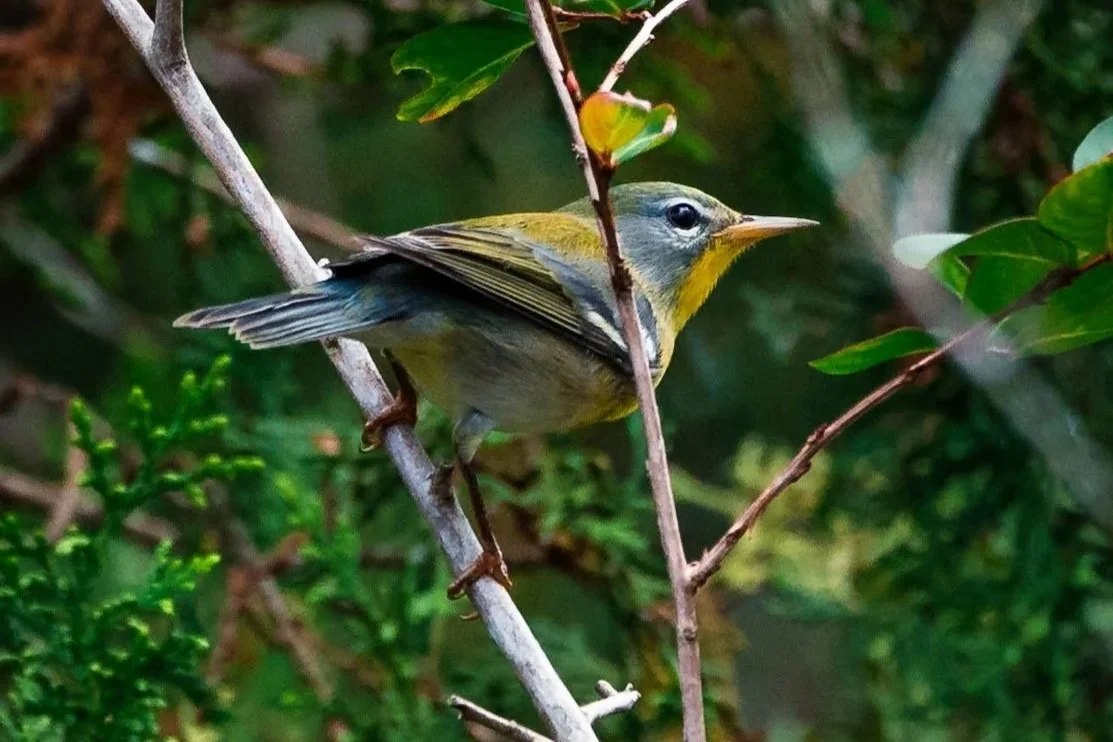
Image Credit: Mike Franqui
Spring arrives early in Northeast Florida landscapes, and as temperatures begin to warm, both plants and wildlife start to emerge from winter dormancy. Birds begin scouting nesting areas, pollinators return to the garden, and many native plants begin putting on fresh growth.
If you’re preparing your yard for the season, we shared a guide last year covering essential tasks like pruning, removing invasive plants, and general spring cleanup. You can read that past blog post here:
Wake Up Your Landscape for Spring.
This article expands on those basics by focusing on something just as important; how to support wildlife while preparing your garden for the growing season.
Whether you’re planting a pollinator garden, maintaining a native landscape, or simply trying to make your yard more environmentally friendly, these tips will help your garden thrive this spring.
Create a Layered Landscape for Wildlife
One of the best ways to make a wildlife-friendly garden in Northeast Florida is to plant in layers, mimicking the structure of natural ecosystems.
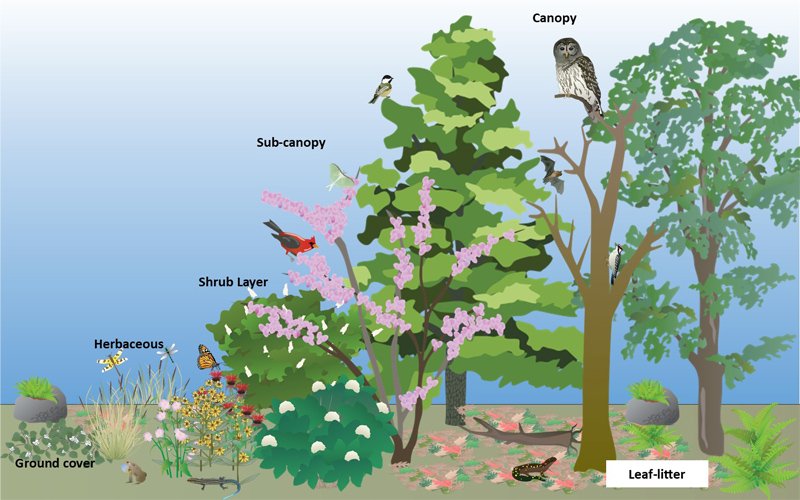
Image Credit: Integration and Application Network (ian.umces.edu/media-library)
A healthy landscape often includes:
Canopy trees
Understory trees
Flowering shrubs
Native perennials and wildflowers
Groundcovers and grasses
This layered structure provides different habitat zones for birds, pollinators, and beneficial insects. Small birds can forage safely in lower layers while larger species perch above, and insects have shelter at multiple levels of the garden. Even smaller yards can incorporate layered planting by combining shrubs with native perennials and grasses.
Leave Some Natural Areas for Beneficial Insects
Spring cleanup is important, but leaving some natural debris can greatly benefit wildlife. Many native bees, butterflies, and beneficial insects overwinter in leaf litter, hollow stems, and garden debris. Removing everything too early can eliminate valuable habitat. You can learn more about the proper way to approach this subject in our past blog article, Planning and Pruning for Wildlife in Your Garden.
Instead of clearing every corner of the yard, consider leaving:
A small area of leaf litter under trees
Hollow plant stems until temperatures consistently warm (above 50° on average)
A brush pile or “dead hedge” made from pruned branches
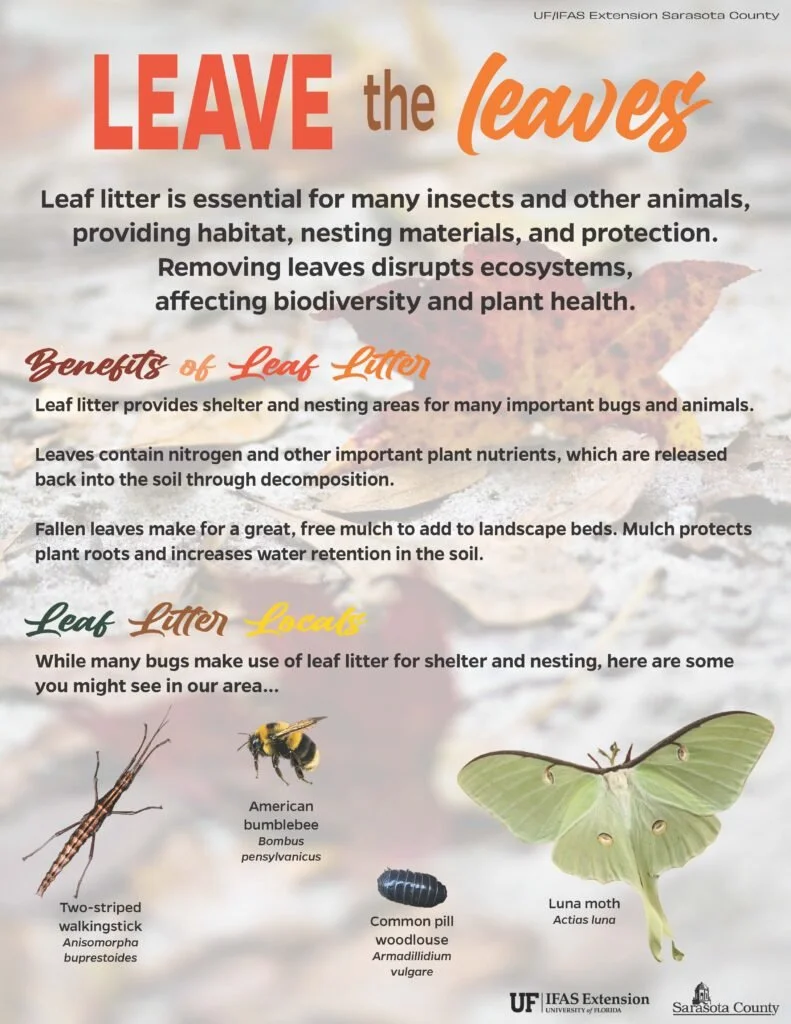
Image Credit: UF/IFAS Extension and Sustainability office
These spaces provide critical shelter for insects, amphibians, and reptiles, and birds often forage there for food during nesting season. Our earlier guide details using garden debris productively—including the idea of building a dead hedge for wildlife habitat.
Plant Early Blooming Native Flowers
Early spring flowers are critical for pollinators emerging from winter dormancy. Native bees, butterflies, and other beneficial insects often appear before many gardens are in bloom, so having early nectar sources can make a big difference.
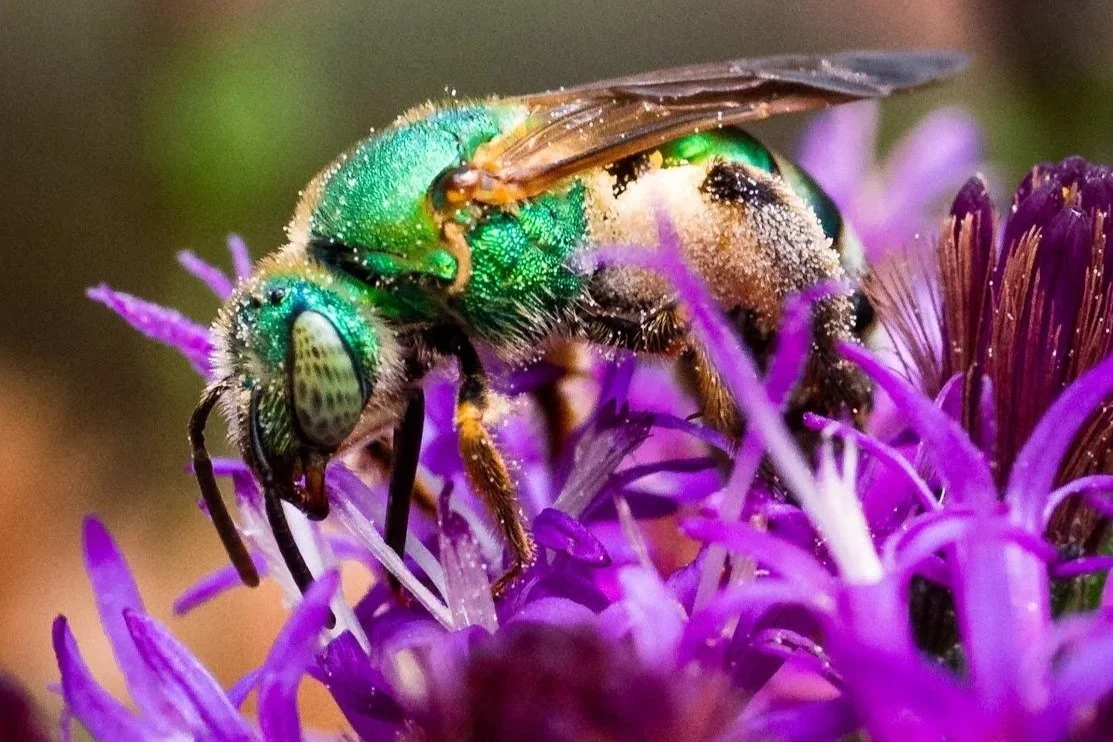
Image credit: Mike Franqui
Great early-season bloomers for Northeast Florida native gardens include:
Native azaleas
Woodland phlox
Spiderwort
Blue-eyed grass
Coral honeysuckle
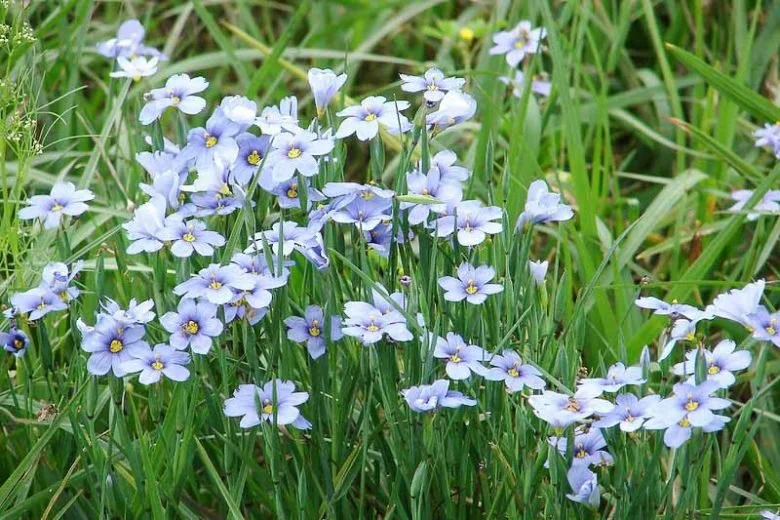
Blue Eyed Grass is a native re-seeding, perennial wildflower that likes moist soils.
Planting species that bloom throughout the year helps create a continuous food source for pollinators. Our Garden Center carries lots of native plants that help support a healthy ecosystem and our staff is ready to help you make informed choice on what would work best in your landscape.
Include Host Plants for Butterflies
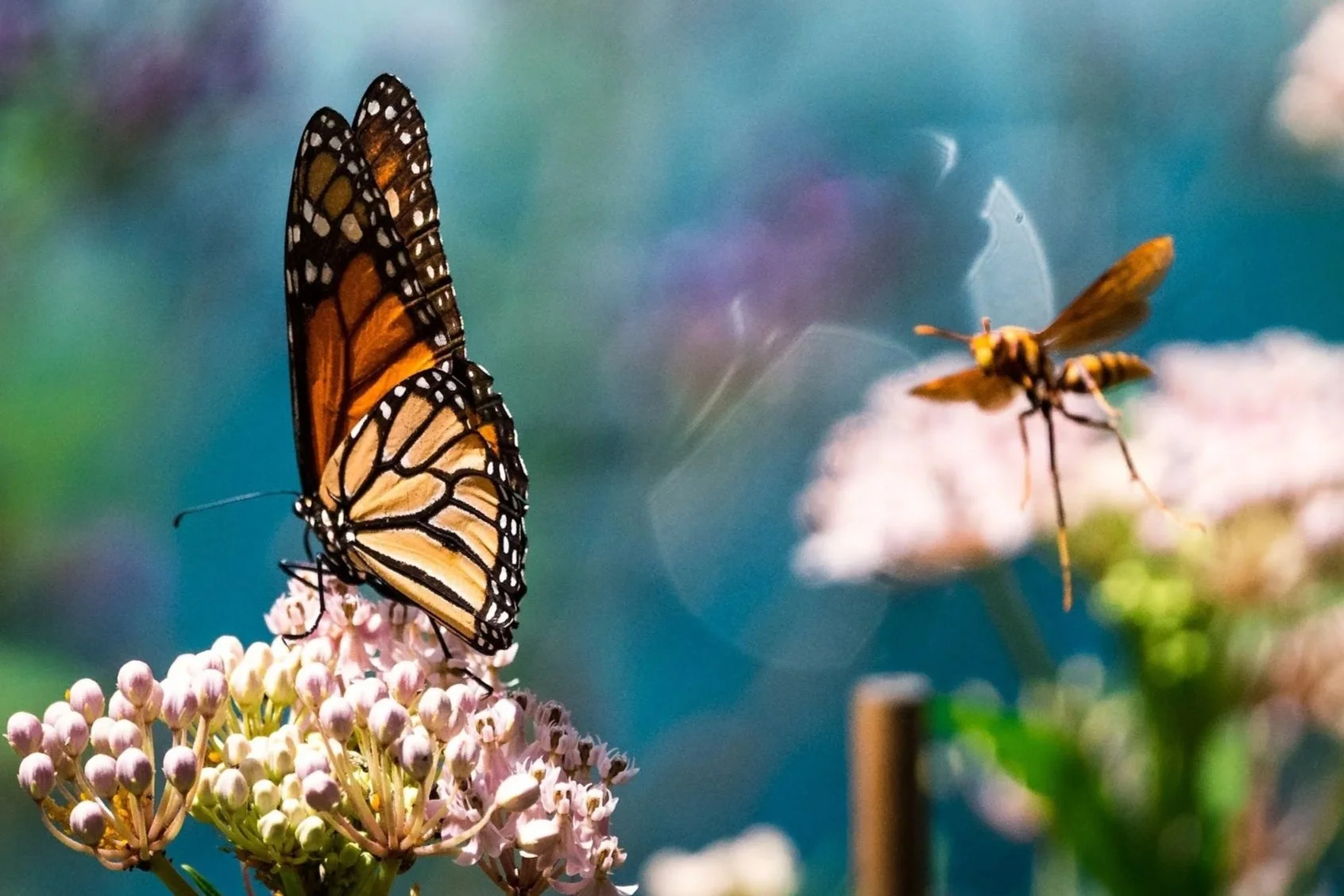
Image credit: Mike Franqui
If you want to attract butterflies to your garden, nectar plants alone aren’t enough. Butterflies require host plants where they lay eggs and where caterpillars can feed.
Examples include:
Milkweed for monarch butterflies
Passionflower for gulf fritillary butterflies
Native grasses for many skipper species
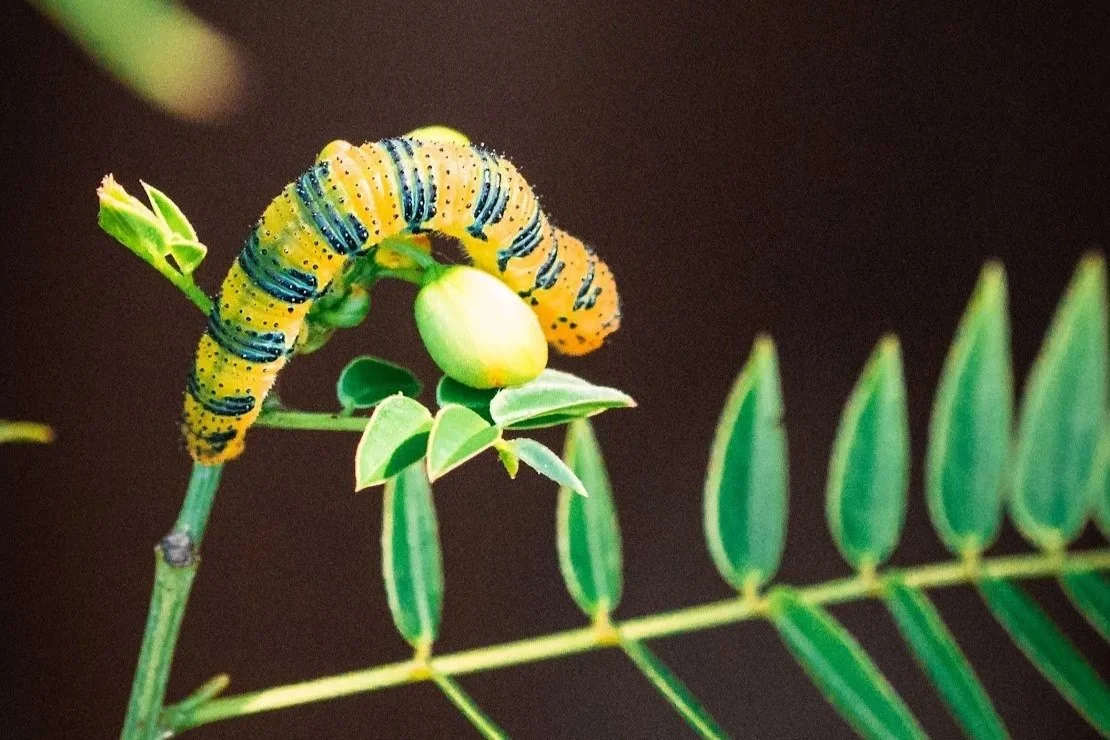
Image credit: Mike Franqui
Seeing caterpillars or leaf damage on these plants is actually a good sign—it means your landscape is functioning as a real wildlife habitat. To learn more, check out our past article on Plants and Pollinators.
Use Native Grasses for Structure and Habitat
Native grasses are often overlooked in Florida landscapes, but they provide tremendous ecological value.
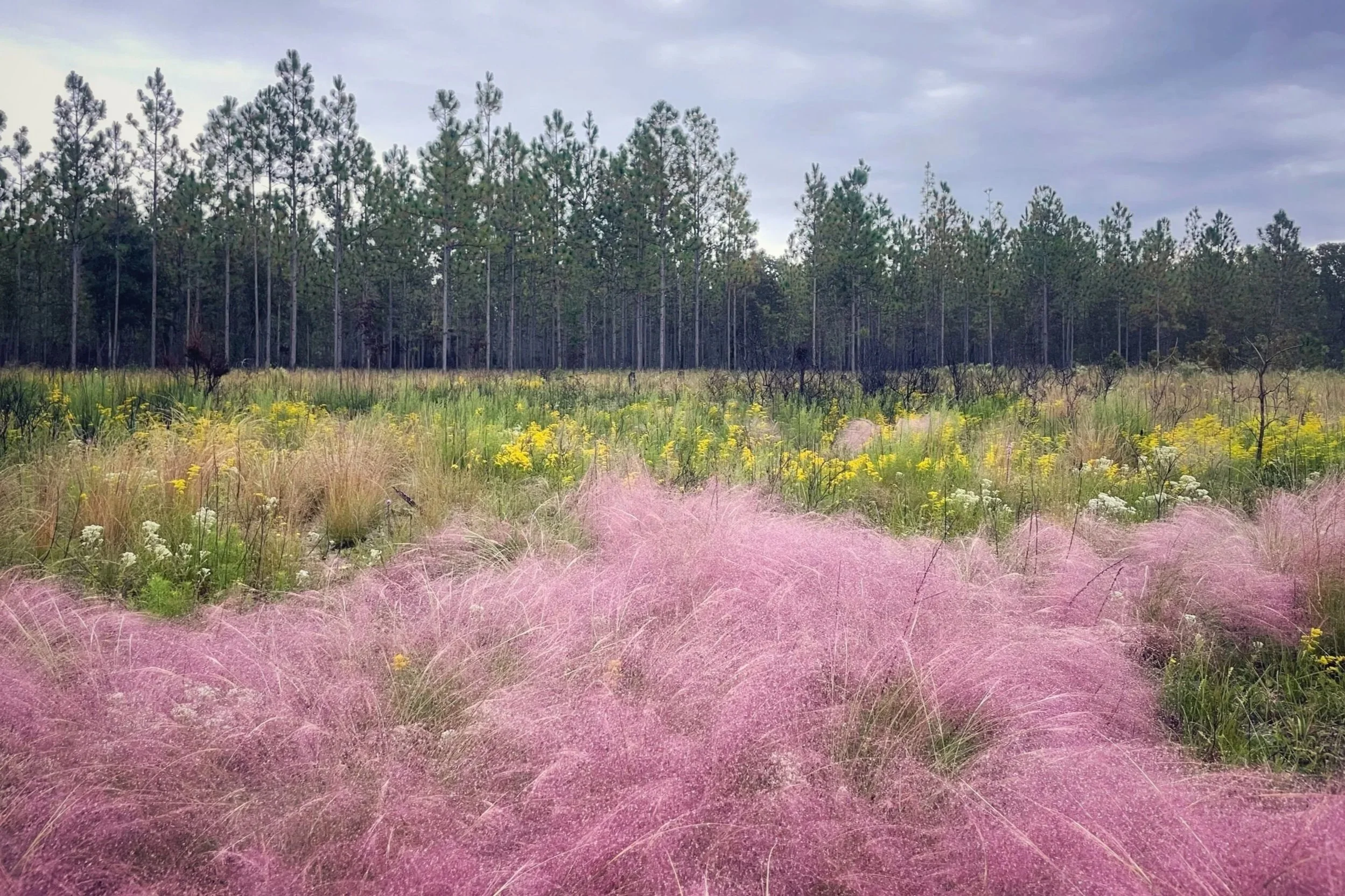
Image Credit: Emily Bell / Florida Wildflower Foundation
They offer:
Seeds for birds
Shelter for insects and small wildlife
Nesting material for birds
Structural diversity in the landscape
They also help stabilize soil and suppress weeds when planted densely. If you’re interested in incorporating them, check out our article on meadow grasses and how they function as the backbone of healthy landscapes. Native grasses also add movement and seasonal texture to gardens while requiring very little maintenance once established.
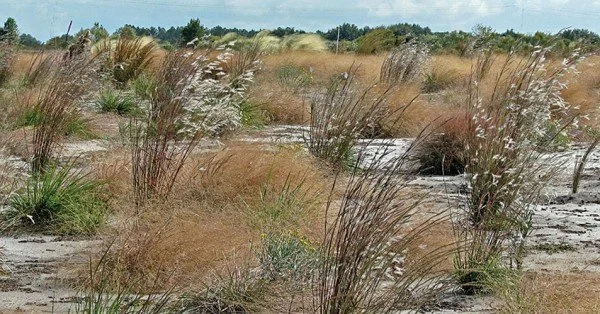
Sandhill plant community, image credit: FANN
Our short list of favorites to use in your Northeast Florida landscape for texture, wildlife value and low maintenance qualities would be:
Muhlenbergia capillaris — Pink Muhly Grass
Tripsacum dactyloides — Fakahatchee Grass
Tripsacum floridanum — Dwarf Fakahatchee Grass
Eragrostis spectabilis — Purple Lovegrass
Eragrostis elliottii — Elliott’s Lovegrass
Chasmanthium latifolium — Inland / River Oats
Sporobolus junceus — Pineywoods Dropseed
Aristida stricta — Wiregrass
Spartina bakeri — Sand Cordgrass
Sorghastrum secundum — Lopsided Indiangrass
Provide Water for Wildlife
Adding a simple water source can dramatically increase wildlife activity in your yard.
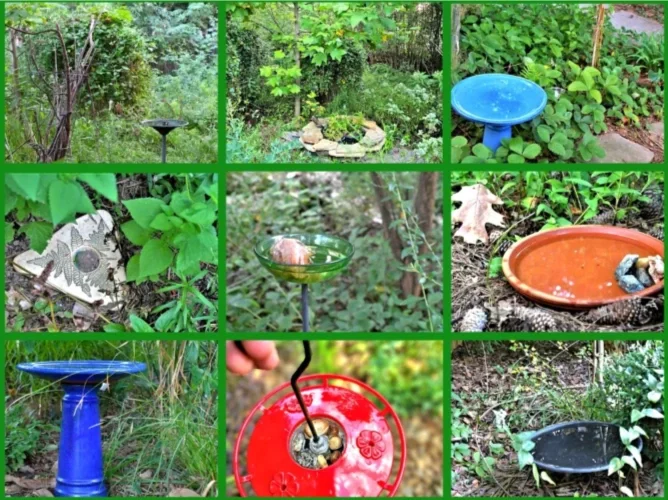
Examples of water sources for your garden.
Consider installing:
A shallow birdbath
A small wildlife pond
A dish with stones for bees and butterflies
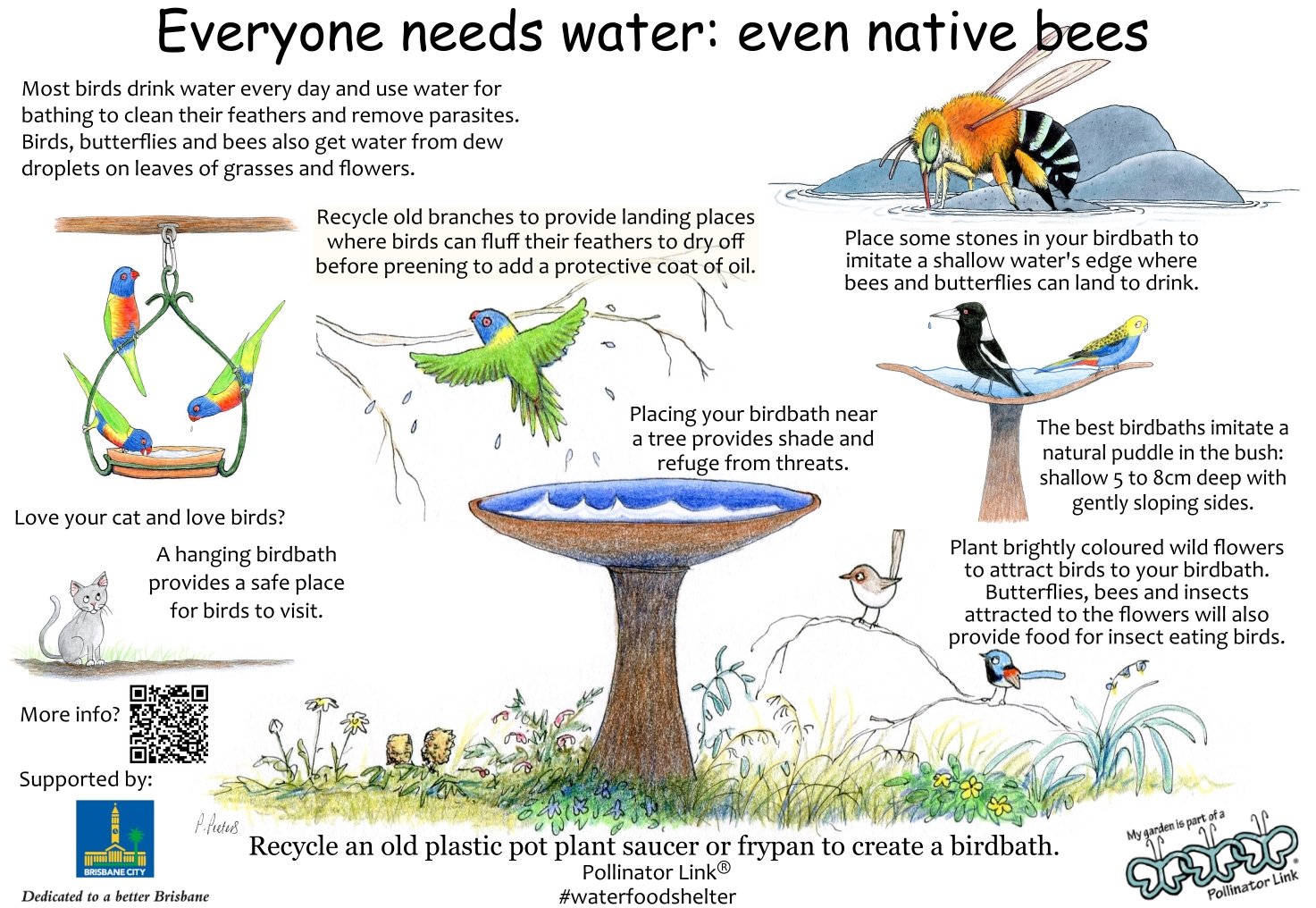
Image credit: Pollinator Link
Fresh water provides drinking and bathing opportunities for birds, pollinators, frogs, and other beneficial wildlife.
Avoid Pesticides When Possible
As everything wakes up, so do insects—many of which are beneficial or part of the natural food web. Broad-spectrum pesticides can harm pollinators and reduce the insects birds rely on to raise their young, especially during nesting season. Many insects that appear in spring are part of a healthy ecosystem, reducing pesticide use allows beneficial insects like lady beetles, lacewings, and parasitic wasps to help control pests naturally.
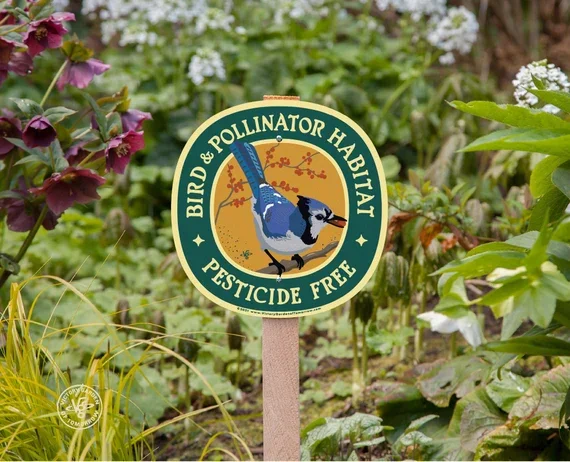
Wirtheim Poster Arts has great garden signs to support the cause!
Native plant landscapes often experience fewer pest problems because they support a balanced ecosystem.
Observe Your Garden BEFORE YOU ACT
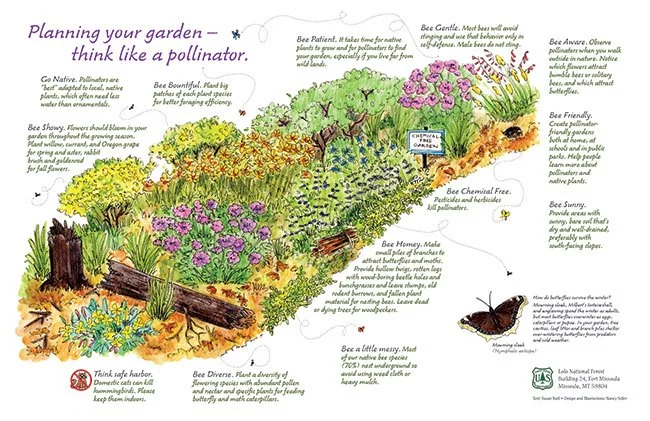
Image credit: Nancy Seiler
One of the most valuable spring gardening practices is simply watching what your landscape does naturally.
Take note of:
Which plants emerge first
Where pollinators gather
Which areas stay moist or dry
Where birds are nesting
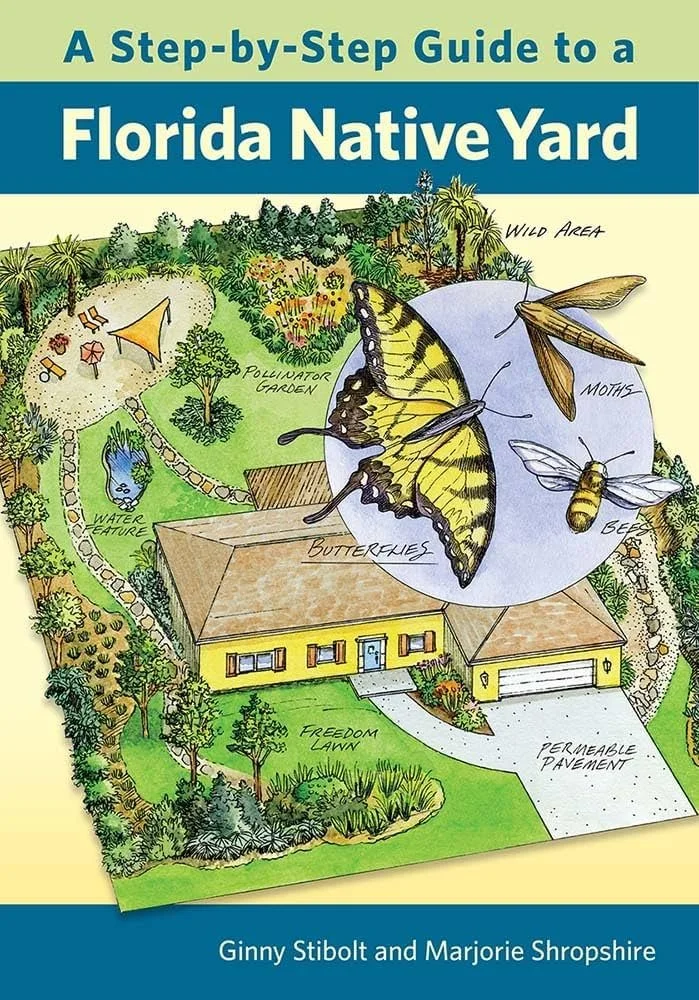
A helpful resource for Florida written by Ginny Stibolt and Marjorie Shropshire
Keeping a journal or drawing a diagram of your yard can be a lifesaver, you will be better able to identify what works and what doesn’t and adjust your plans accordingly. These observations can help guide future planting decisions and make your landscape more resilient over time.
Supporting Wildlife Starts in Your Own Yard
A thoughtfully designed garden can become an important refuge for wildlife—especially as natural habitats continue to disappear.
By planting native species, providing habitat, and maintaining your landscape with ecology in mind, you’re helping support birds, pollinators, and countless beneficial insects. Spring is the perfect time to start building a landscape that is not only beautiful, but alive with activity.
Thinking about adding native plants or creating a wildlife-friendly garden this spring? We’d love to help. Contact our team to start planning a landscape designed for Northeast Florida’s climate, beauty, and biodiversity.