NATIVE LANDSCAPING NOW: COLD PREP FOR YOUR NORTHEAST FLORIDA GARDEN
WHAT YOU SHOULD BE DOING TO PROTECT YOUR FLORIDA LANDSCAPE AND PREPARE FOR SPRING
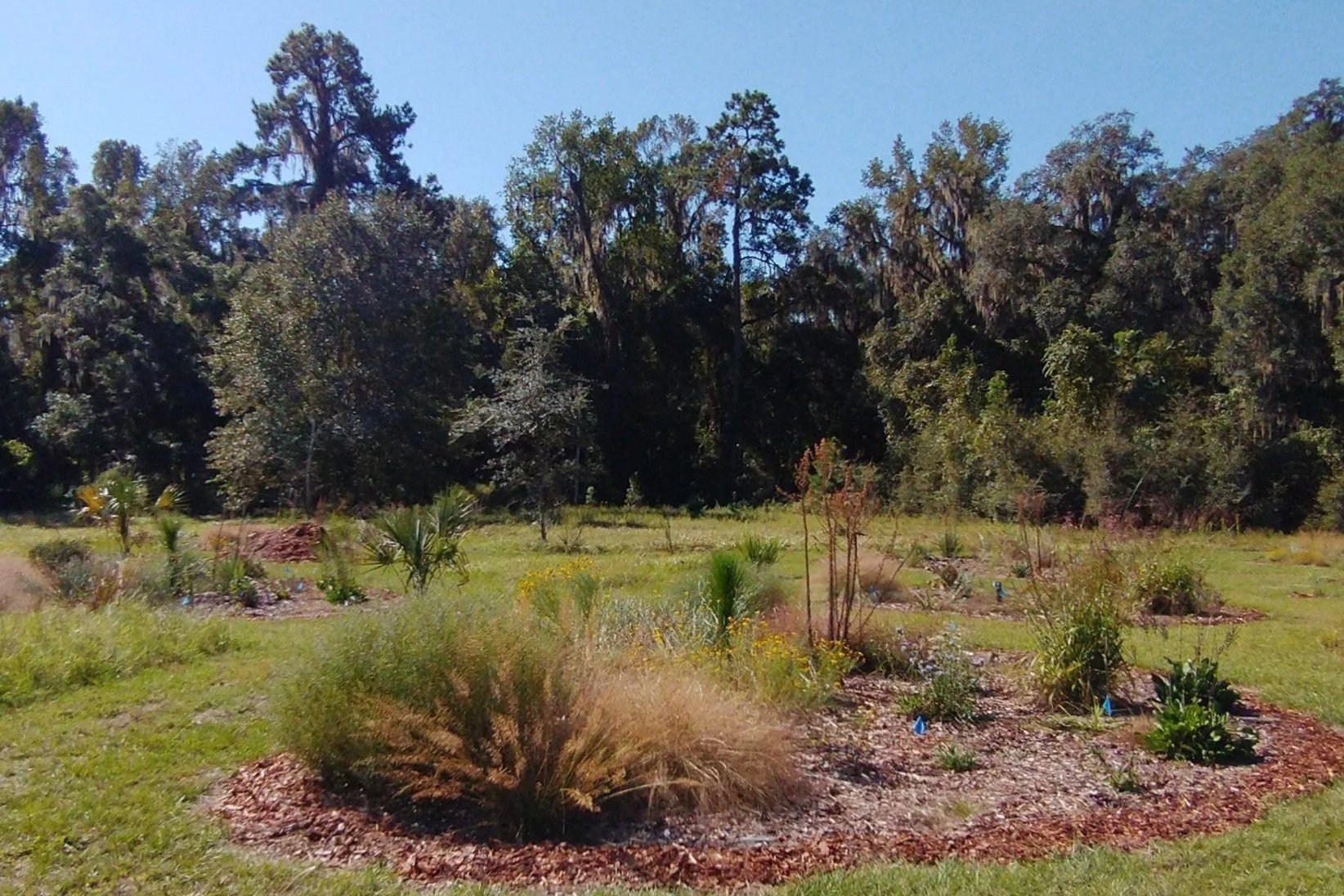
If you garden with Florida natives in your landscape, the upcoming cold weather is more about protecting roots and quietly setting your garden up for spring rather than panicking over the foliage of your plants. While you may be inclined to start tidying up your garden, you should exercise patience to provide maximum benefit to the wildlife that inhabits your space.
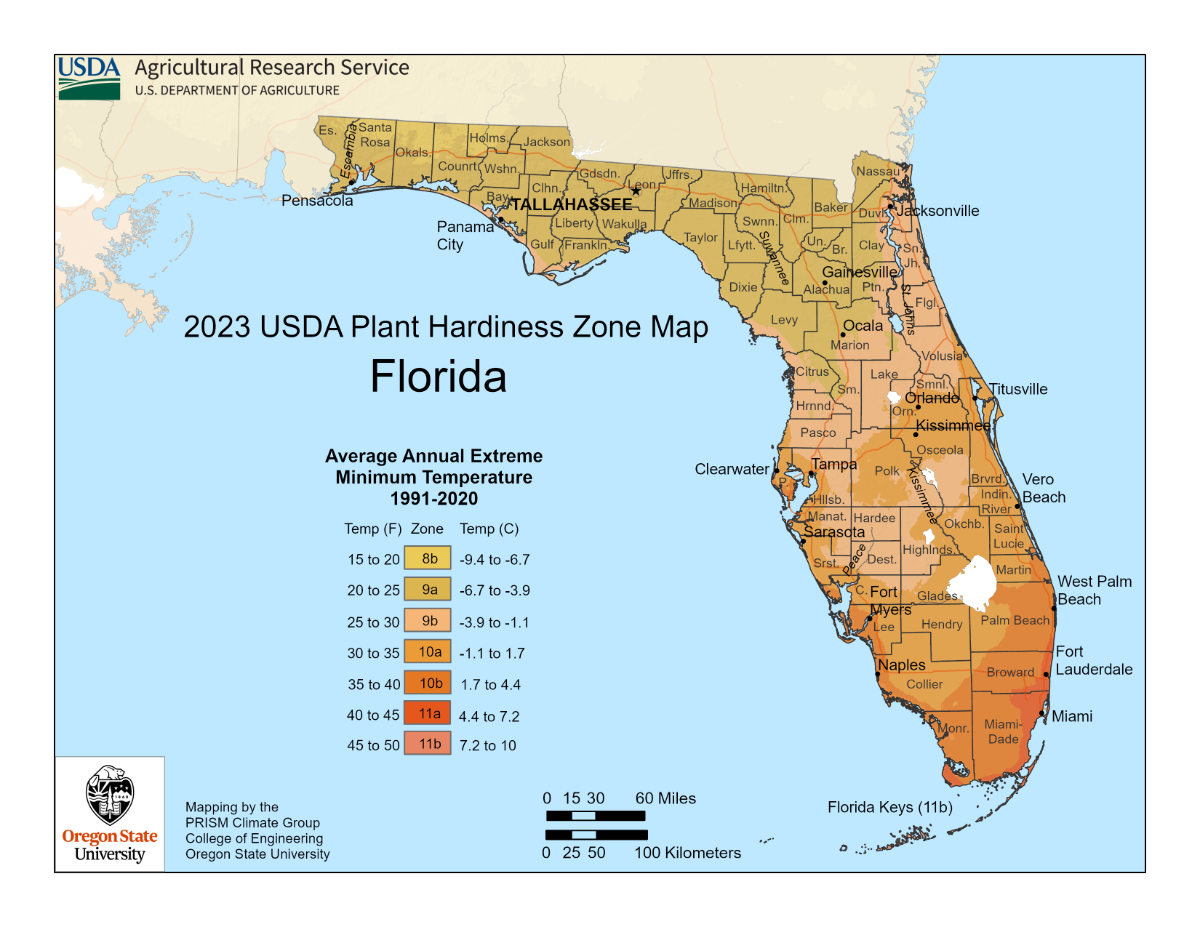
Image courtesy of IFAS
Plant hardiness zones are a guide used to determine which plants are most likely to thrive in a specific climate, based on average annual minimum temperatures. They help gardeners understand a plant’s cold tolerance and make informed choices about what to plant and when. Our area falls within USDA Zones 8b and 9a, meaning we experience mild winters with occasional cold snaps — perfect for a wide range of Florida-friendly and native plants when chosen and timed correctly.
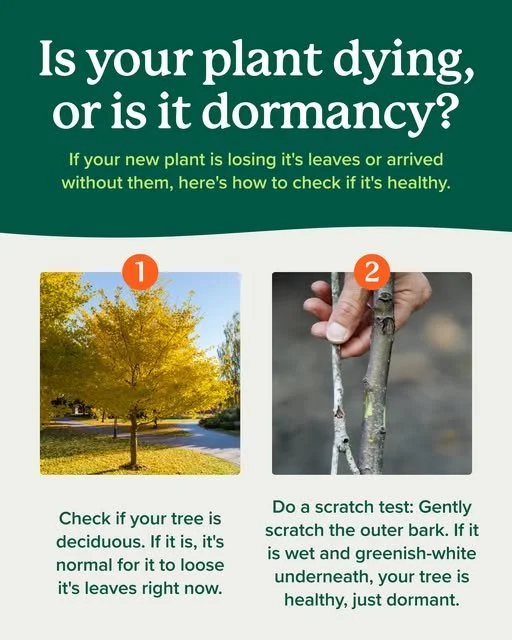
Understanding dormancy: Winter dormancy for Florida natives is a natural resting state where plants slow growth, conserve energy, and reduce water loss to survive cooler temperatures, appearing brown or bare but remaining alive, with roots active underground, ready to resume vigorous growth in spring, a vital adaptation in Florida's varied climate. This "sleep mode" protects them from cold damage and supports pollinators, with key signs being leaf drop, faded color, and dried stems, not death.
Don’t be intimidated! We’re here to help. Here’s a handy guide for where you should focus your energy over the next few weeks:
1. Don’t Prune (Yet)
Hold off on hard pruning of natives, grasses, perennials, and shrubs.
Old growth = natural insulation.
Wait until late Feb–early March, after last frost danger.

Exceptions:
✔ Remove broken or diseased branches
✔ Light shaping only if needed for safety

2. Mulch Is Your Best Friend
Mulching is crucial for insulating soil, regulating temperature, retaining moisture, and protecting plant roots from freeze-thaw damage, but the key is timing: apply it after a few hard frosts when plants are dormant and the ground is consistently cold, not too early to avoid promoting mold. If you don’t have time to do it yourself, reach out and our maintenance team will take care of it for you.
Refresh mulch to 2–3 inches deep
Focus on:
Newly planted natives
Root zones of perennials & shrubs
Keep mulch 2–3 inches away from stems/trunks
Best choices: pine straw, shredded leaves, bark fines (without added dyes)
(Bonus: improves soil as it breaks down)
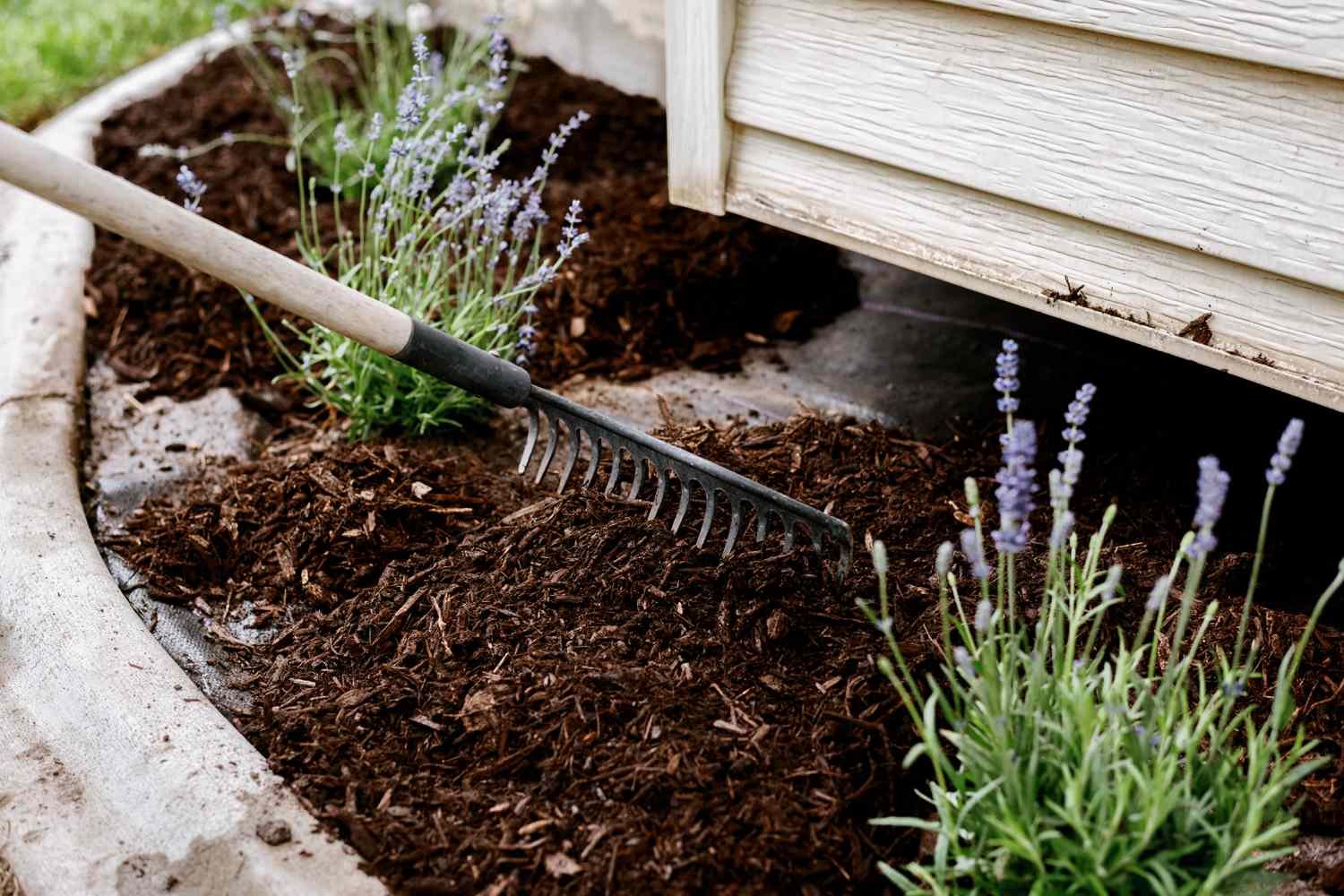
Mulching will provide insulation, improve soil quality and help retain moisture for healthy roots.
3. Water Before Cold Nights
Water 1–2 days before a freeze, not the night of
Moist soil holds warmth better and protects roots
Reduce regular irrigation overall — plants are semi-dormant
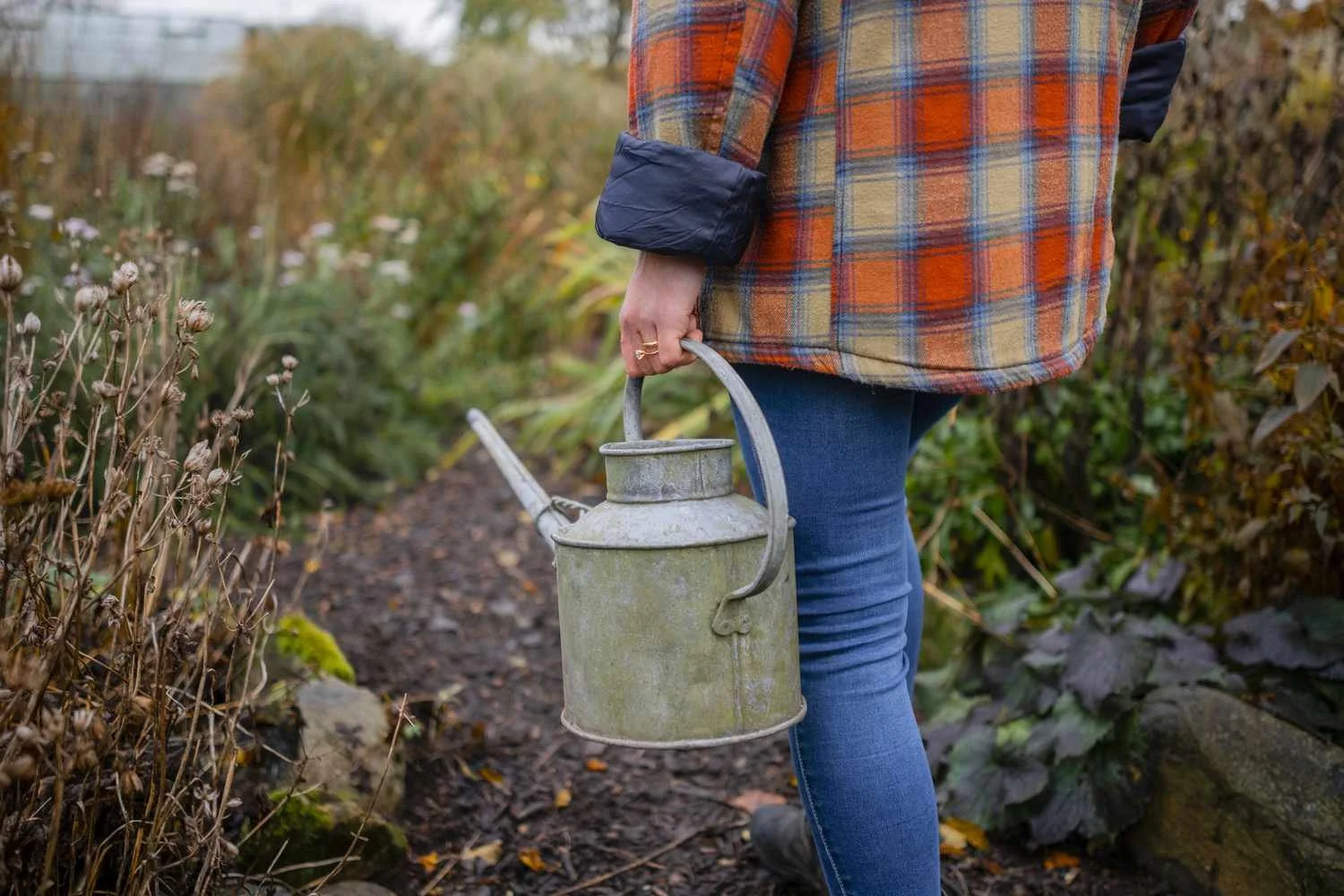
Moist soil insulates roots better than dry soil, releasing heat and reducing dehydration stress.
4. Cover Only What Needs It
Most established natives are fine — prioritize:
New plantings (under 1 year)
Tender edge natives
Salvias, porterweed, young milkweed, tropical-adjacent plants
How:
Cover before sunset
Use frost cloth, sheets, or burlap
Anchor to the ground
Remove in the morning once temps rise
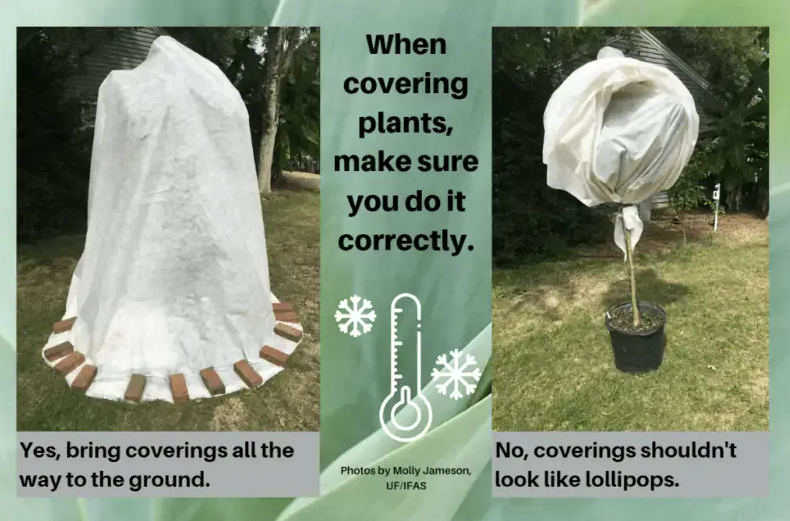
Image credit: Molly Jameson, UF/IFAS
5. Containers = High Risk
Move pots close to:
South- or east-facing walls
Porches or garages
Group pots together to retain heat
Elevate slightly to prevent soggy, cold roots
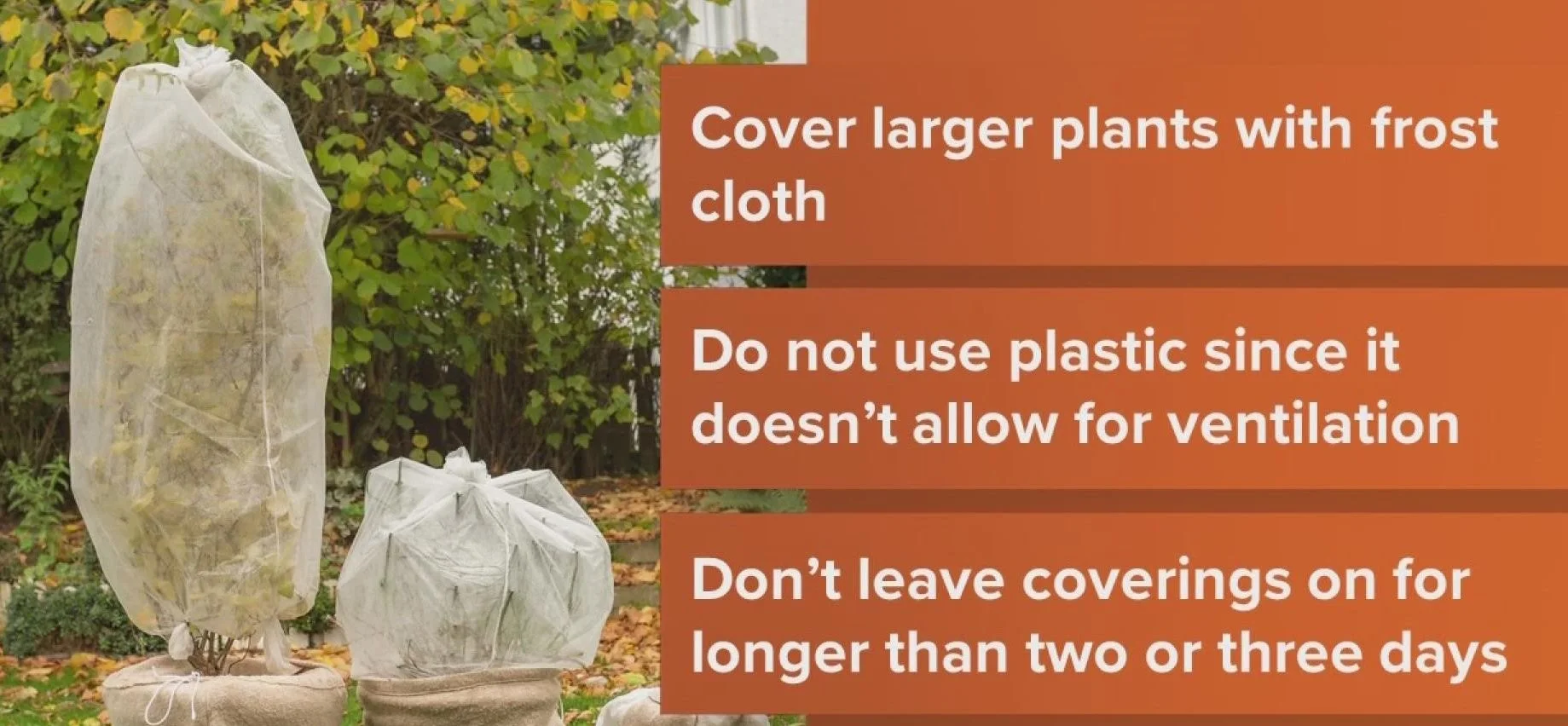
If you decide to cover your potted plants, keep the above points in mind when doing so.
QUIETLY PREPPING FOR SPRING (THIS IS THE SWEET SPOT)
6. Leave the “Mess”
Fallen leaves = free mulch + insect habitat
Seed heads feed birds
Hollow stems shelter pollinators
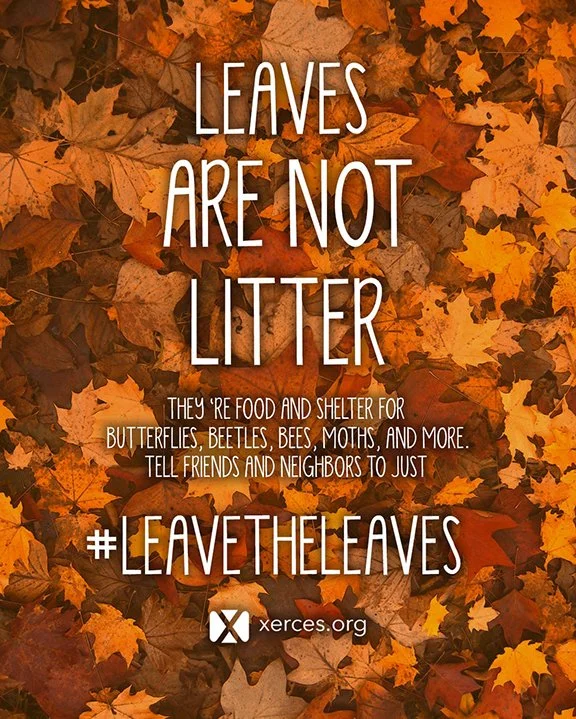
Image credit: Xerces.org
Leave the leaves! Check out our past blog post about best practices for pruning and leaving your debris in place and the multitude of benefits it provides. This is ecological gardening at its best — resist the urge to tidy.
7. Start Seeds (Selectively)
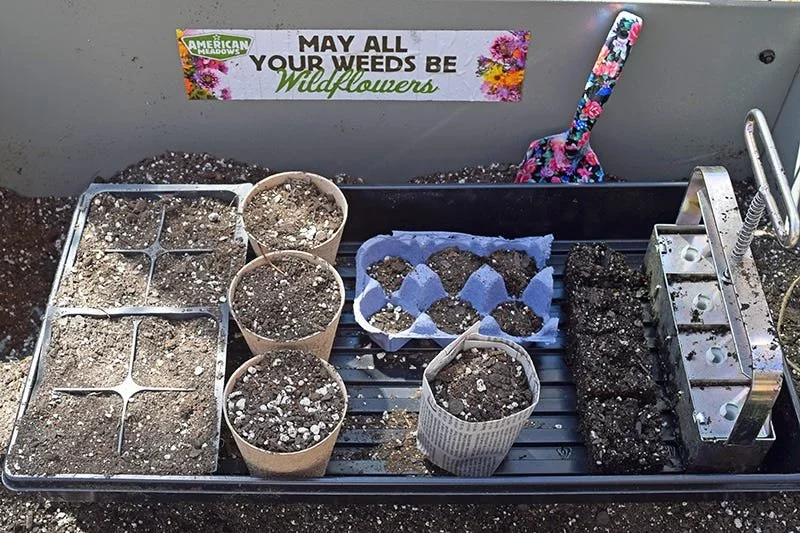
This is a great time to begin starting seeds indoors or in a protected greenhouse. Learn more about collecting and sowing your own wildflower seeds in this article from our blog. The types of seeds you can begin indoors or in a protected area are:
Native perennials with longer germination times
Milkweeds, salvias, coreopsis, gaillardia
Warm-season veggies if you have grow lights
Label everything — future-you will thank you.
8. Plan Transplants for Late Winter
Now is the time to:
Map where plants will go
Identify overcrowding
Flag plants to divide after frost risk passes
Transplanting natives is best late Feb–March in 8b.
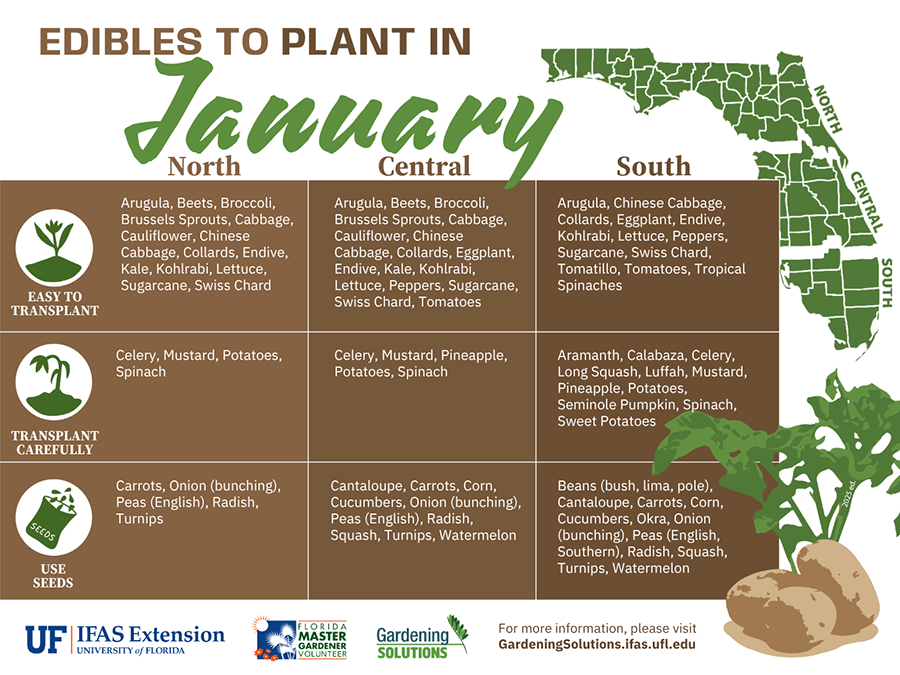
UF / IFAS has helpful planting guides on their website each month to help navigate your choices!
9. Soil Prep Without Disturbance
Top-dress beds with:
Compost
Leaf mold
Worm castings
No deep digging — protect soil life and overwintering insects
Interested in making your own compost? Worm bin composters in Florida use red wigglers in a shaded, moist bin with shredded paper bedding, feeding them vegetable scraps (avoiding citrus/meat/dairy) to produce nutrient-rich castings, but requires managing high heat and humidity by keeping the bin cool (ideally 60-80°F) and protected from rain, potentially indoors or in a climate-controlled space, and dealing with pests like fire ants and soldier flies, according to Red Worm Composting and the UF/IFAS Extension office.
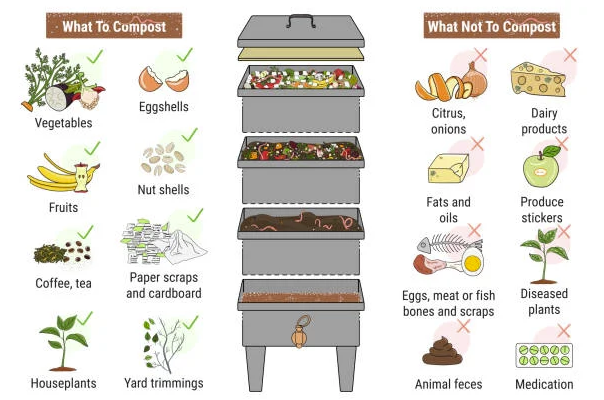
Image credit: unclejimswormfarm.com
10. Tool + Supply Check
Clean and sharpen pruners
Stock frost cloth
Pre-purchase or order native plants now — spring availability goes fast in North FL
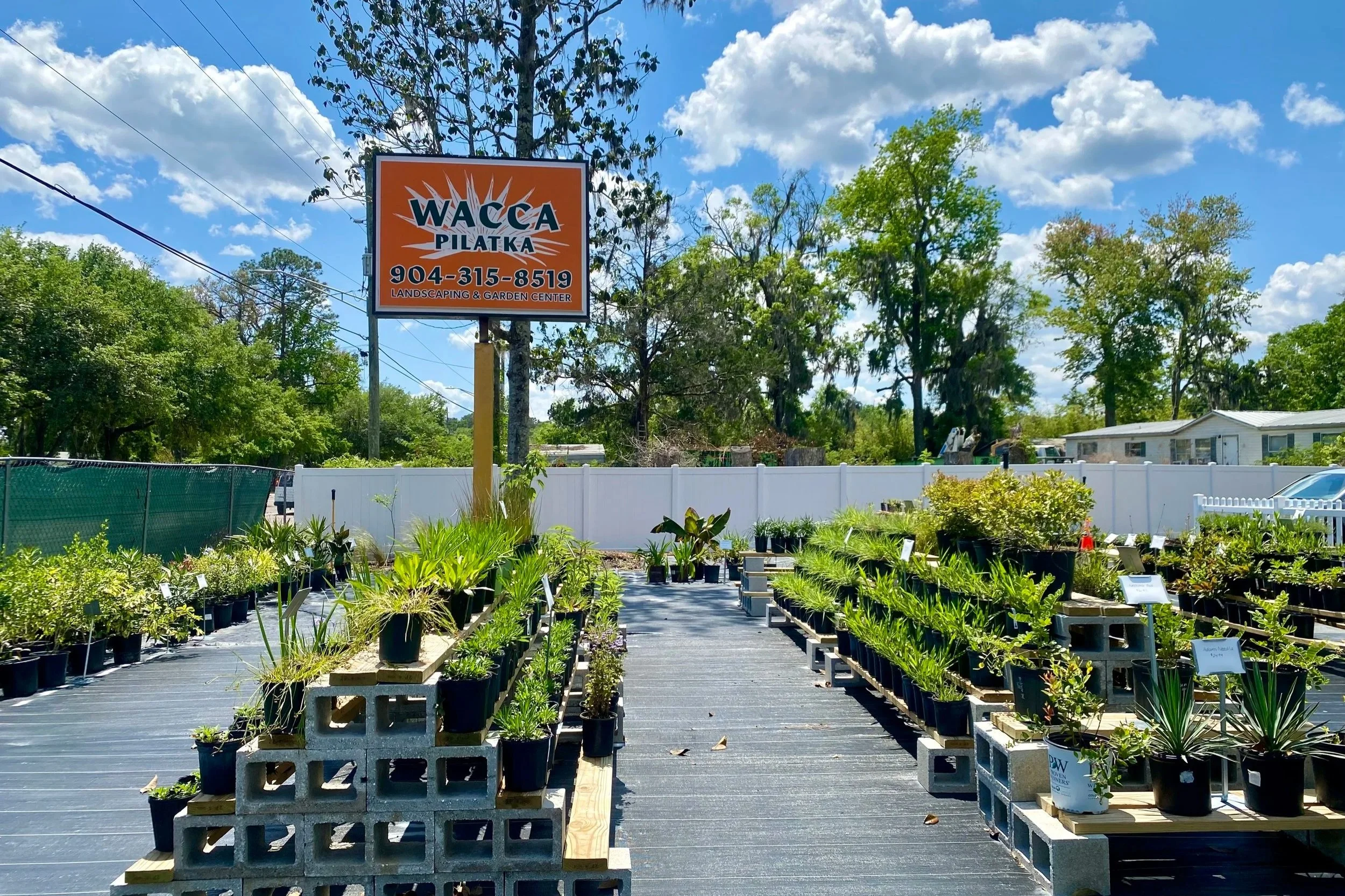
Our nursery is reopening this weekend with a fresh stock of native plants, we hope to see you soon!
NATIVE GARDEN MINDSET
Cold damage isn’t failure — many natives die back by design
What looks dead now often rebounds beautifully
Patience = better root systems, stronger spring growth
GET A HEADSTART ON YOUR SPRING LANDSCAPE!
As winter settles in, now is the perfect time to plan ahead for spring. If you’re ready to turn these seasonal tips into a garden that truly fits your space, lifestyle, and North Florida conditions, we’re here to help. Our team specializes in custom landscape design rooted in Florida-friendly and native plants, creating gardens that are beautiful, resilient, and built to thrive long-term. Reach out now to start the conversation — thoughtful planning today leads to healthier, more intentional landscapes when spring arrives.